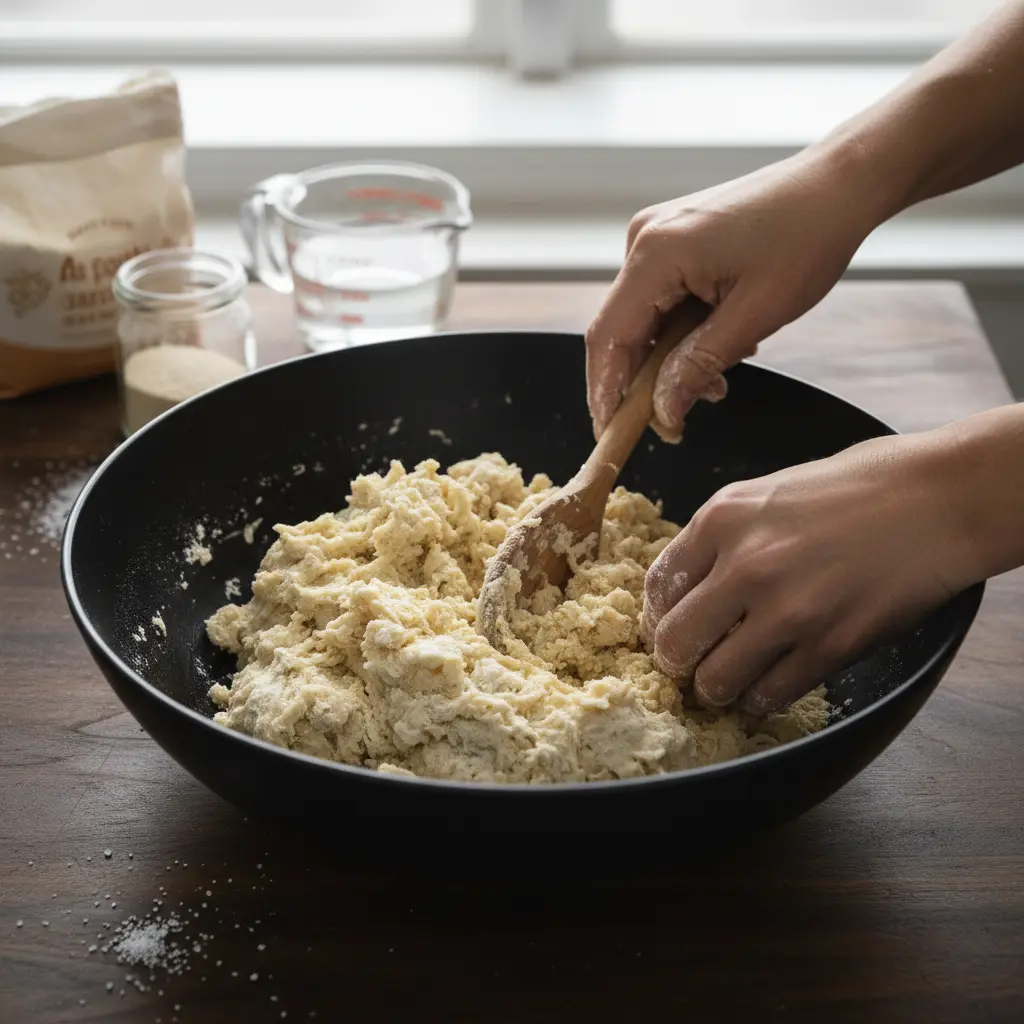
Did you know that using fresh milled flour can boost the bread’s flavor and nutritional value significantly? A study showed that fresh milled flour retains 40% more nutrients than store-bought flour. With this in mind, crafting bread using fresh milled flour can elevate your baking experience to a new level of health and taste!
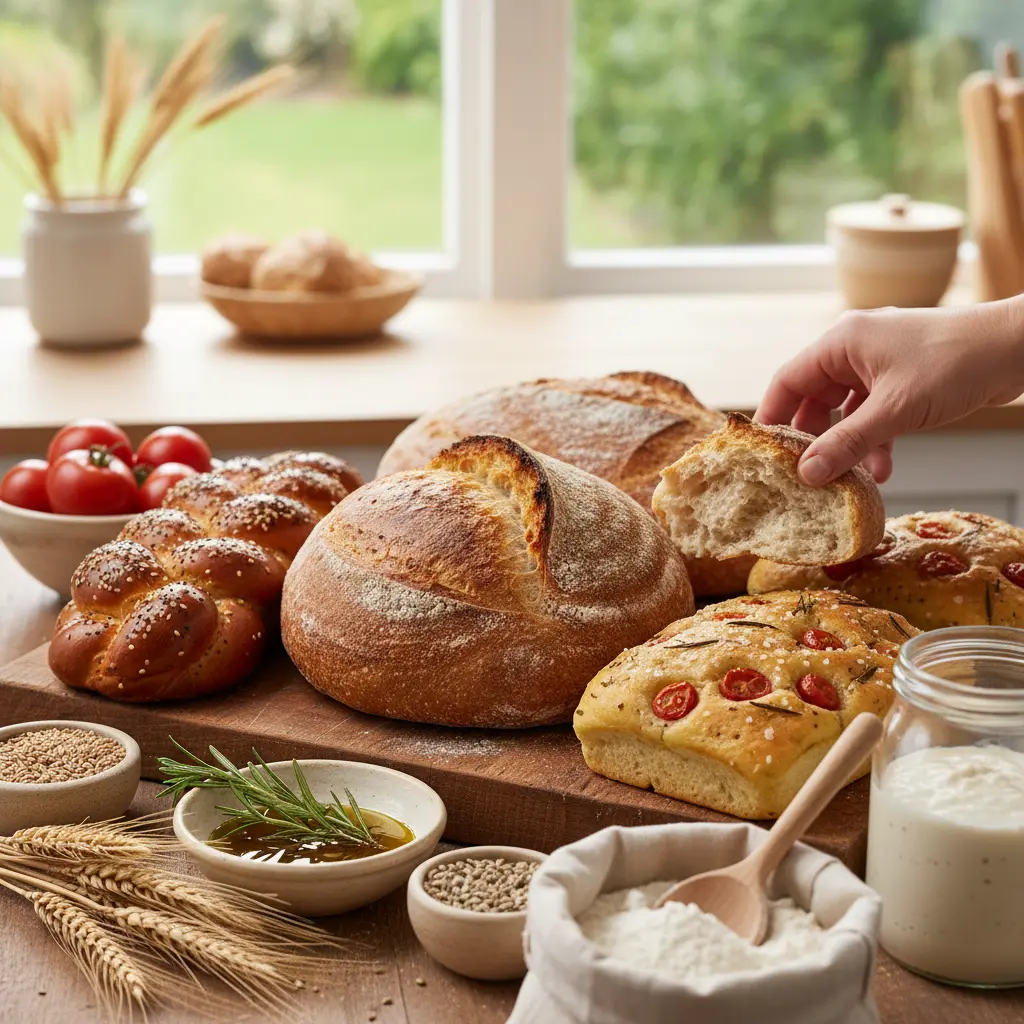
Why Fresh Milled Flour?
Fresh milled flour means that the flour is used shortly after the grain is milled, ensuring the maximum preservation of nutrients like vitamins E and B. It also provides a wonderful complexity to the bread’s flavor profile that pre-packaged flours can’t match.
Getting Started with Fresh Milled Flour Bread Recipes
Before you dive into creating delicious bread, consider investing in a grain mill to freshen your batches. Pair this purchase with some basic ingredients like honey, olive oil, yeast, and salt to produce an authentic rustic bread taste.
Recommended Kitchen Tools
Consider these tools to make your bread-making process smoother:
Step-by-Step Recipe: Classic Fresh Milled Flour Bread
- Ingredients:
- 4 cups fresh milled flour
- 1 1/2 cups water
- 1/4 cup olive oil
- 1 tablespoon honey
- 1 packet instant yeast
- 1 teaspoon salt
- Instructions:
- Mix fresh milled flour, salt, and yeast in a bowl.
- Add honey, olive oil, and water, stirring until you form a sticky dough.
- Knead the dough on a floured surface until smooth and elastic.
- Place the dough in a greased bowl, cover, and let rise until doubled in size.
- Preheat your oven to 375°F (190°C) and bake the loaf for 30-35 minutes until golden brown.
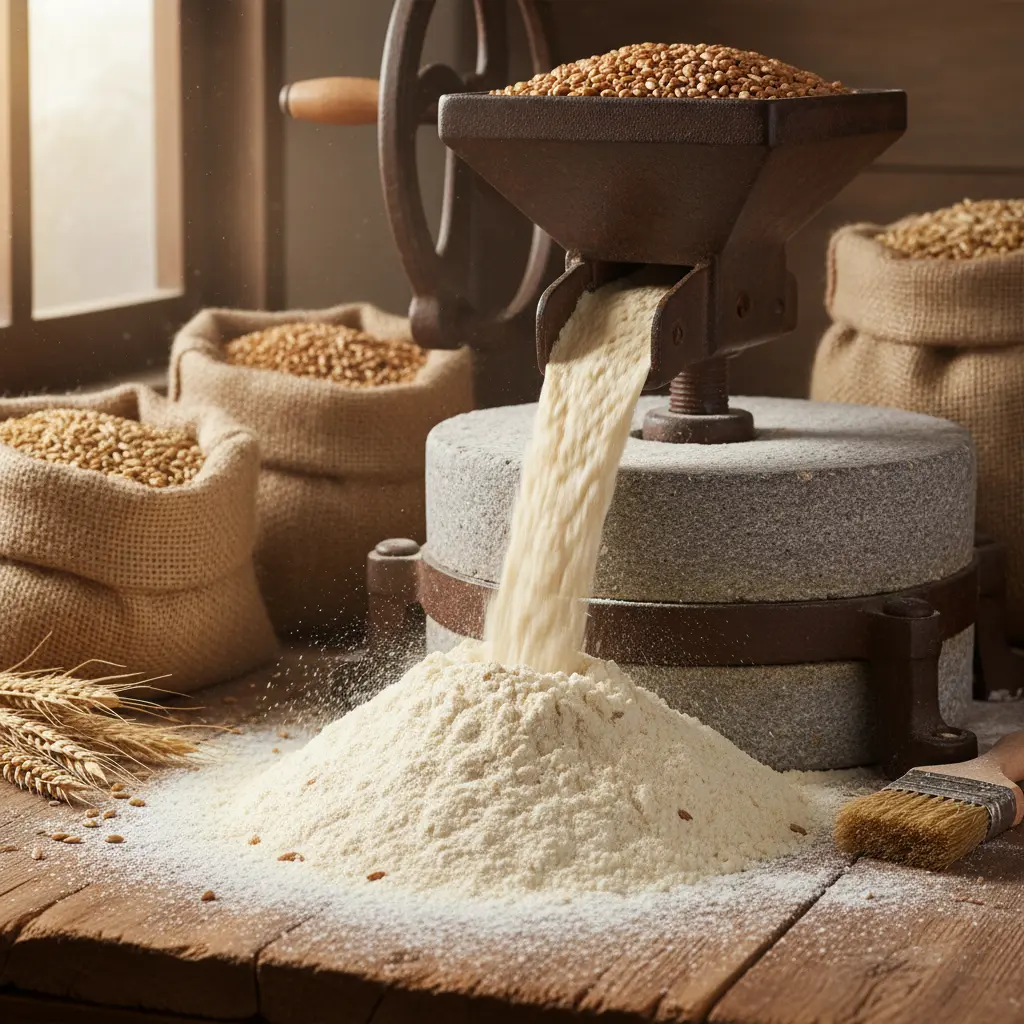
Why the Type of Wheat Matters
Using hard white or red wheat is ideal for bread because of its higher protein content, which enhances the dough’s elasticity. Remember to adjust hydration by adding a bit more liquid since freshly milled flour absorbs moisture differently.
For Further Information: