
This dandelion syrup recipe transforms one of nature’s most overlooked wildflowers into a golden, honey-like syrup that tastes as beautiful as it looks. With over 97 million tons of dandelions blooming across North America each spring, it turns out the humble weed growing in your yard is actually one of the most underrated ingredients in natural cooking. Made with just a handful of simple ingredients — fresh dandelion blossoms, sugar, water, and lemon — this dandelion syrup is a truly special homemade treat.
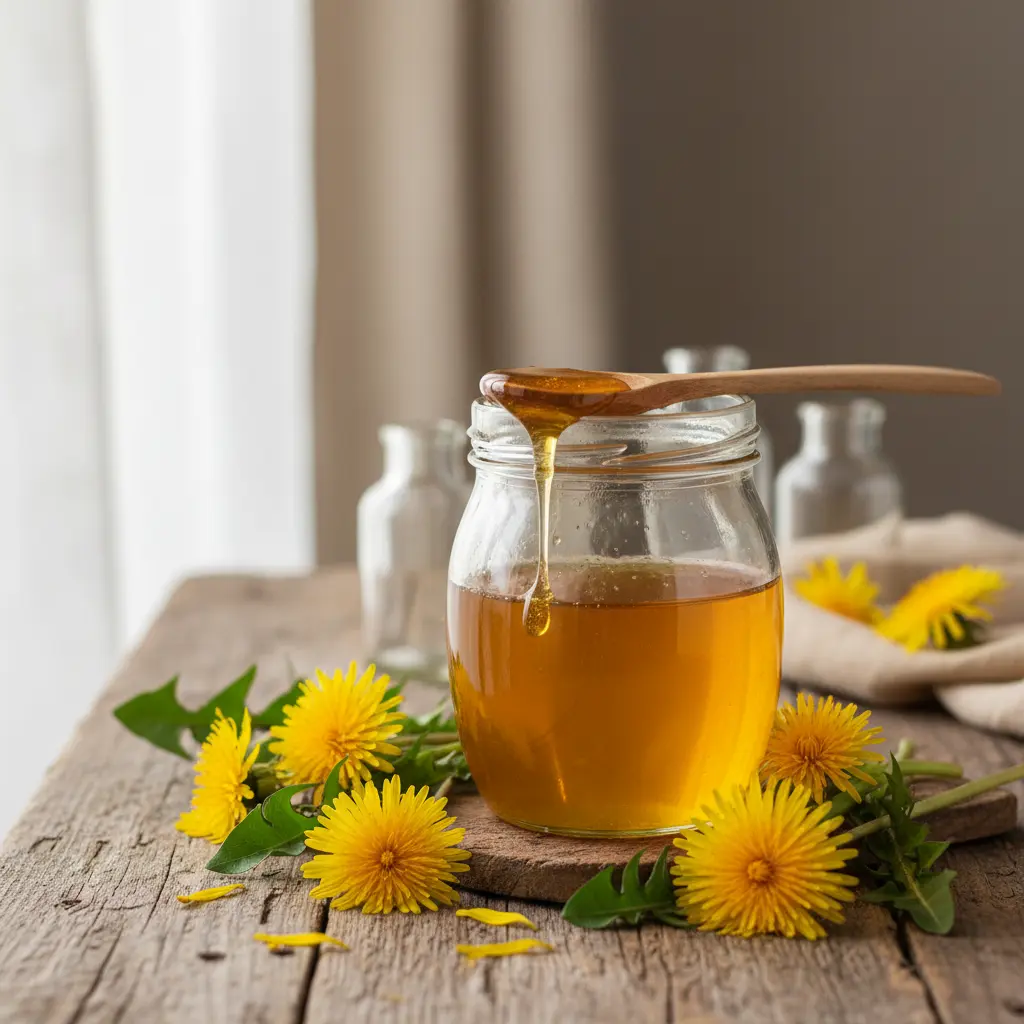
Tools You’ll Need
You don’t need any fancy equipment to make dandelion syrup at home. A few reliable kitchen staples will carry you through the entire process:
- Saucepan set — for simmering the flowers and reducing the syrup
- Wire mesh strainer — for straining the petals and getting a clear, smooth syrup
- Mixing bowls — for soaking petals and holding strained liquid
Why You’ll Love This Dandelion Syrup Recipe
This dandelion syrup recipe is one of those rare foraging projects that feels both wildly simple and genuinely rewarding. The flavor is floral, lightly sweet, and subtly earthy — somewhere between honey and a delicate flower blossom tea. It pairs beautifully with everything from morning pancakes and waffles to cocktails, lemonade, and herbal teas. Furthermore, it requires no special equipment, costs almost nothing to make, and gives you a reason to actually look forward to dandelion season. Whether you’re a seasoned forager or just someone who wants to try something new and wholesome, this recipe delivers every time.
Dandelion Syrup Recipe Ingredients
Here’s everything you need to make a classic batch of dandelion syrup at home:
- 4 cups fresh dandelion flower heads — freshly picked, in full bloom
- 4 cups water — filtered water gives the cleanest flavor
- 2½ cups granulated sugar — raw cane sugar adds a subtle caramel note
- 2 tablespoons fresh lemon juice — brightens the flavor and helps with preservation
- Optional: 2–3 lemon slices — for steeping with the petals for extra citrus depth
Ingredient Notes & Substitutions
If you prefer a less sweet syrup, reduce the sugar to 2 cups. You can also use honey in place of some or all of the sugar for a more complex, natural sweetness — as explored in this dandelion honey variation from Adamant Kitchen, which uses real honeybee honey alongside the flowers. Additionally, orange juice or zest can replace lemon for a slightly warmer, more floral citrus flavor. As for the dandelions, always harvest from areas that are free of pesticides, herbicides, and vehicle exhaust. The more petals you use, the more intensely flavored your syrup will be.
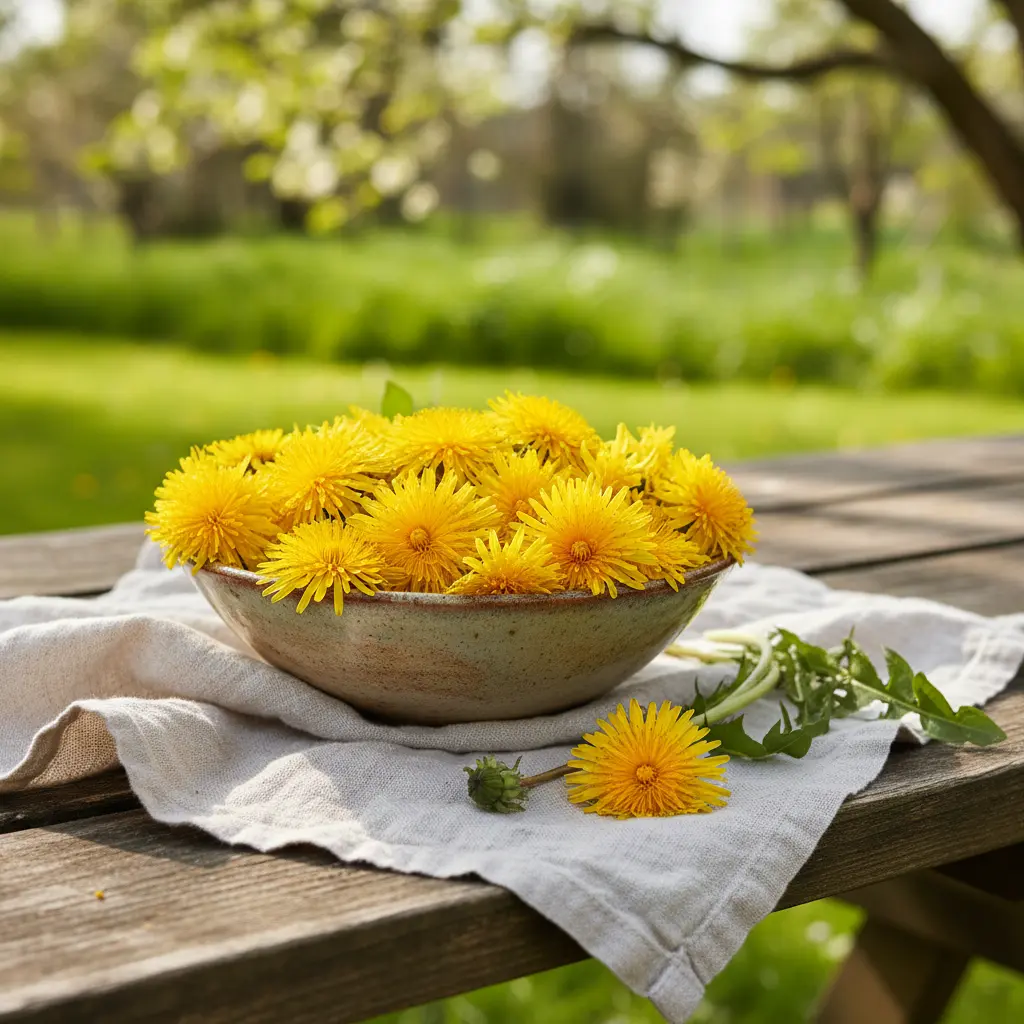
Equipment for Dandelion Syrup
The equipment list for dandelion syrup is refreshingly minimal. You’ll need a medium-to-large saucepan for simmering the flowers and later reducing the strained liquid. A wire mesh strainer or cheesecloth is essential for removing the spent petals and achieving a beautifully clear syrup. A large mixing bowl is useful for soaking the dandelion heads in cold water before use, which helps remove insects and debris. Finally, sterilized glass jars or bottles are ideal for storing your finished syrup. A small ladle or funnel makes bottling much easier and less messy.
How to Make Dandelion Syrup Recipe
Follow these step-by-step instructions for a reliable, delicious batch of dandelion flower syrup every time.
Step 1: Harvest and Prepare the Flowers
Pick dandelion flower heads on a dry, sunny morning when they are fully open and bright yellow. Avoid flowers that are beginning to close or turn to seed. Once harvested, soak them in a bowl of cold water for 5–10 minutes to dislodge any insects. Then gently shake off the excess water. At this point, you have two options: use the whole flower heads as-is, or separate just the yellow petals by pinching and pulling them away from the green base. Using petals only tends to produce a lighter, less bitter syrup. The method is detailed beautifully in this Scandinavian-inspired dandelion syrup guide from North Wild Kitchen, which also highlights the traditional Norwegian approach to this beloved spring recipe.
Step 2: Simmer the Petals
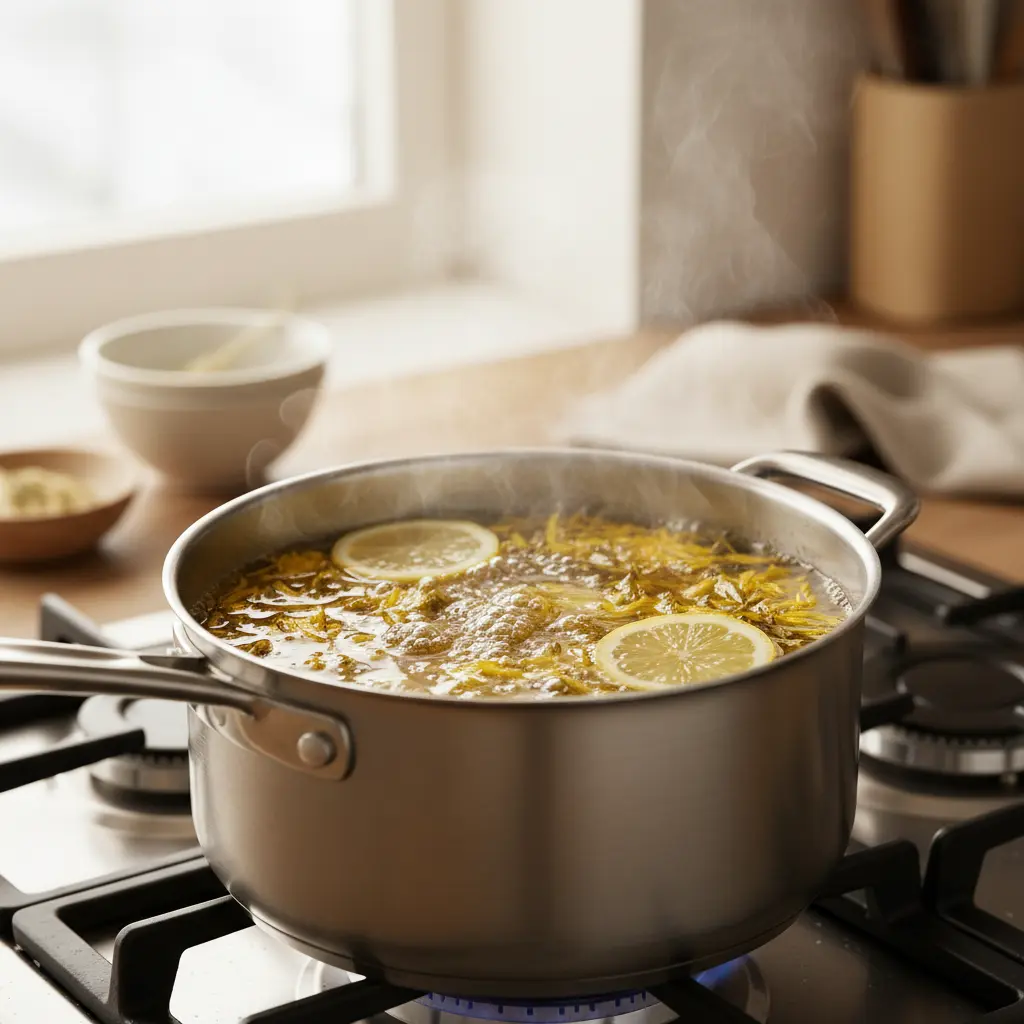
Place the dandelion petals (or whole heads) into a medium saucepan along with the water and lemon slices or lemon juice. Bring to a gentle simmer over medium heat. Cook for about 1 minute, then remove from the heat. Cover the saucepan and allow the mixture to steep for at least 1 hour, or overnight in the refrigerator for a more intensely flavored syrup. The longer you steep, the deeper and more golden the color and flavor will become.
Step 3: Strain the Liquid
Pour the steeped mixture through a fine mesh strainer or cheesecloth set over a large bowl or measuring cup. Press the petals gently with the back of a spoon to extract as much liquid as possible, then discard the spent flowers. You should end up with a fragrant, golden-green liquid that smells faintly of honey and flowers.
Step 4: Add Sugar and Reduce
Return the strained liquid to the saucepan. Add the sugar and stir well to combine. Bring to a low simmer over medium heat, stirring until the sugar is fully dissolved. Then reduce the heat slightly and allow the syrup to cook, uncovered, for 20–30 minutes, stirring occasionally. The syrup is ready when it coats the back of a spoon and has thickened to a honey-like consistency. Keep in mind that the syrup will thicken further as it cools, so remove it from the heat just before it reaches your desired final thickness.
Step 5: Bottle and Cool
Carefully pour the hot dandelion syrup into sterilized glass jars or bottles using a ladle and funnel. Seal immediately and allow to cool to room temperature before refrigerating. As highlighted in a helpful guide on homemade dandelion syrup from Nature’s Nurture, combining raw honey with the syrup during this step is a lovely option that naturally boosts preservation and adds extra depth of flavor.
Dandelion Syrup Recipe Tips
- Pick at peak bloom. Dandelions are most flavorful when they are fully open and bright yellow, typically mid-morning on a warm, sunny day. Flowers that are partially closed or beginning to go to seed will produce a weaker, more bitter syrup.
- Remove the green parts for a milder flavor. The green calyx (the small leaf-like collar at the base of the flower) can introduce bitterness. For a cleaner, sweeter syrup, pinch or snip the yellow petals away from the green base before using them.
- Don’t rush the steeping time. The difference between a 1-hour steep and an overnight steep is significant. The overnight version produces a deeper golden color and a more complex, rounded flavor that is well worth the wait.
- Watch the syrup carefully during reduction. Dandelion syrup can go from perfectly thick to overly sticky quite quickly. Keep the heat on medium-low and check the consistency by spooning a small amount onto a cold plate every few minutes once it begins to thicken.
Dandelion Syrup Variations
- Dandelion & Lavender Syrup: Add 1 tablespoon of dried lavender buds to the simmering pot alongside the dandelion petals. The lavender adds a soft, aromatic quality that pairs exceptionally well with lemonade and sparkling water cocktails.
- Spiced Dandelion Syrup: Add a cinnamon stick and 2–3 whole cloves during the simmering step. This warming spiced version is especially lovely drizzled over oatmeal, stirred into chai tea, or used in autumnal baking projects.
- Dandelion Honey Syrup: Replace half of the sugar with raw wildflower honey, stirred in after the syrup has been removed from the heat. This produces a deeper, more complex sweetness with notable honey undertones.
- Dandelion Lemonade Syrup: Increase the lemon juice to ¼ cup and add the zest of one lemon during steeping. This citrus-forward variation makes a fantastic base for homemade spring lemonade — just mix with cold sparkling water and serve over ice.
How to Store Dandelion Syrup
Once bottled, dandelion syrup will keep in the refrigerator for up to 3–4 weeks. For longer storage, you can process the filled jars in a boiling water bath canner for 10 minutes, which extends the shelf life to up to 1 year in a cool, dark pantry. Alternatively, the syrup freezes beautifully — pour it into ice cube trays, freeze until solid, then transfer to a zip-lock bag and use individual cubes as needed. Always use a clean, dry spoon when scooping from the jar to prevent contamination and extend freshness. If the syrup develops any off smell, cloudiness, or mold, discard it and make a fresh batch.

Dandelion Syrup Recipe FAQ
What does dandelion syrup taste like?
Dandelion syrup has a gently sweet, floral flavor with warm honey-like undertones and a very subtle earthiness. It is not bitter when made correctly — especially when the green base of the flower is removed before use. Many people describe it as tasting like liquid spring sunshine.
Can I use dried dandelion flowers?
Yes, you can use dried dandelion flowers if fresh ones aren’t available. Use about half the volume of dried flowers compared to fresh, since dried flowers have a more concentrated flavor. The resulting syrup may be slightly darker and more intensely floral, but it is still delicious.
Is dandelion syrup the same as dandelion honey?
They are very similar. Dandelion honey is essentially a vegan honey substitute made from dandelion flowers, sugar, and lemon — it typically contains no actual bee honey and is cooked longer to achieve a thicker, more set consistency. Dandelion syrup is cooked to a slightly looser, more pourable consistency and is used more like a simple syrup or maple syrup substitute.
What can I use dandelion syrup for?
The uses are wonderfully versatile. Drizzle it over pancakes, waffles, French toast, or yogurt. Stir it into tea, lemonade, cocktails, or sparkling water. Use it as a glaze for roasted carrots or sweet potatoes. It also works beautifully swirled into whipped cream or used to sweeten homemade salad dressings.
Do I need to remove the green parts of the dandelion?
It is highly recommended, though not strictly mandatory. The green calyx and stem contain more bitter compounds than the yellow petals. For the sweetest, most pleasant syrup, take the time to separate just the yellow petals. However, if you’re in a hurry or using a very small batch, leaving some green in will not ruin the recipe — it may simply add a slightly more herbal edge.
Explore More Recipes
If you enjoyed making this dandelion syrup recipe, you’ll love these other homemade favorites from our kitchen: