

This Domino’s dough recipe is the ultimate copycat for pizza lovers who crave that signature chewy-yet-crispy crust without leaving the house. According to industry research, homemade pizza has surged in popularity — with over 60% of home cooks now attempting restaurant-style pizza at least once a month. Whether you’re going for Domino’s classic hand-tossed style or their thicker pan base, this recipe nails the flavor, texture, and stretch that makes that dough so iconic.

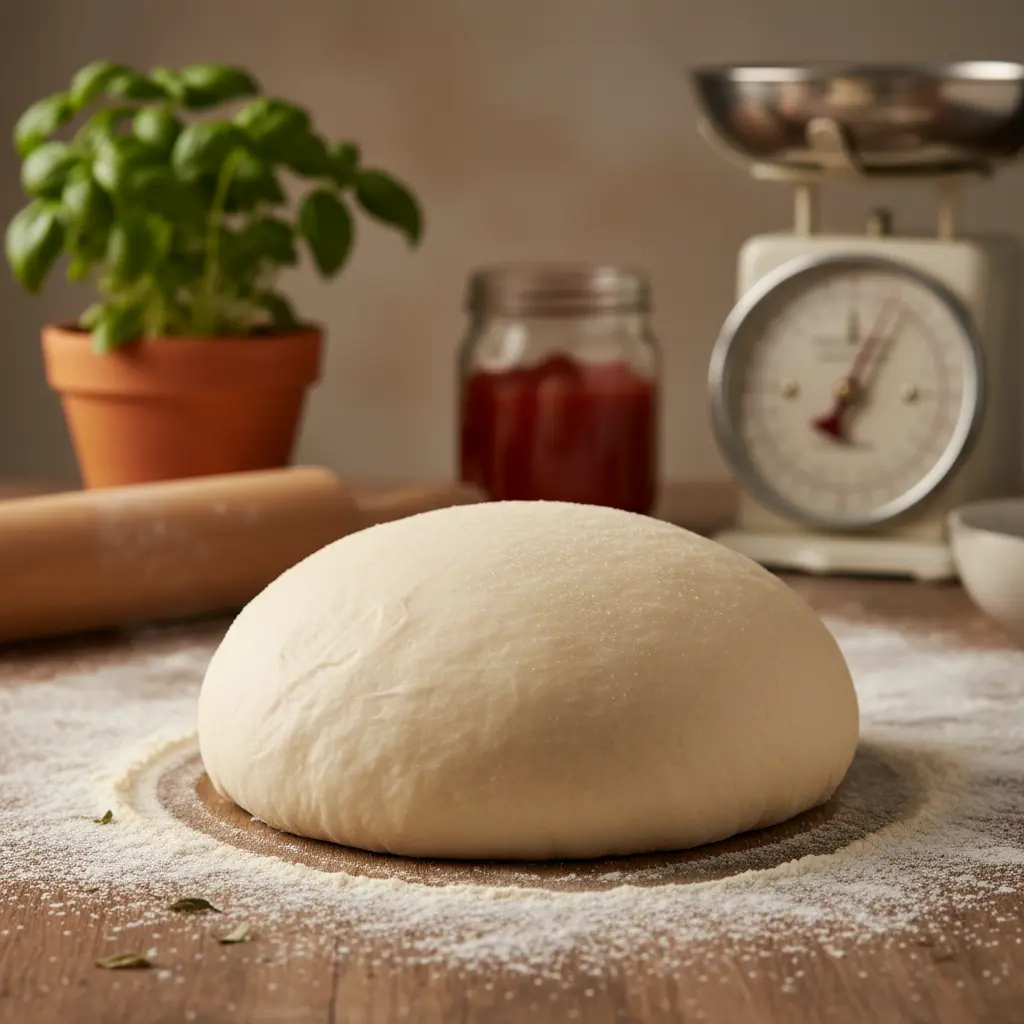
Tools You’ll Need
Having the right tools makes working with pizza dough much easier and helps you achieve the best possible result every time. Here are the essentials to get started:
- Stand mixer — ideal for kneading the dough to a smooth, elastic finish with minimal effort
- Mixing bowls — you’ll need a large bowl for proofing and resting the dough
- Sheet pan — perfect for pan pizza, or as a flat surface for baking your hand-tossed crust
Why You’ll Love This Domino’s Dough Recipe
This copycat Domino’s dough recipe delivers that distinct combination of soft interior and lightly crisp exterior that makes Domino’s hand-tossed pizza so satisfying. The secret lies in the balance of bread flour for structure, a touch of sugar to feed the yeast and add subtle sweetness, and soybean or vegetable oil for that characteristic tender chew. Unlike many homemade pizza doughs that lean too bready or too thin, this version hits the sweet spot — giving you a crust that puffs slightly at the edges, stays pliable in the center, and holds up beautifully under toppings. It’s also surprisingly simple to make, requiring only common pantry staples and a bit of patience during the rise.
Domino’s Dough Recipe Ingredients
Each ingredient in this copycat Domino’s dough plays a specific role in achieving that familiar pizzeria result. Use these measurements for two medium 12-inch pizzas:
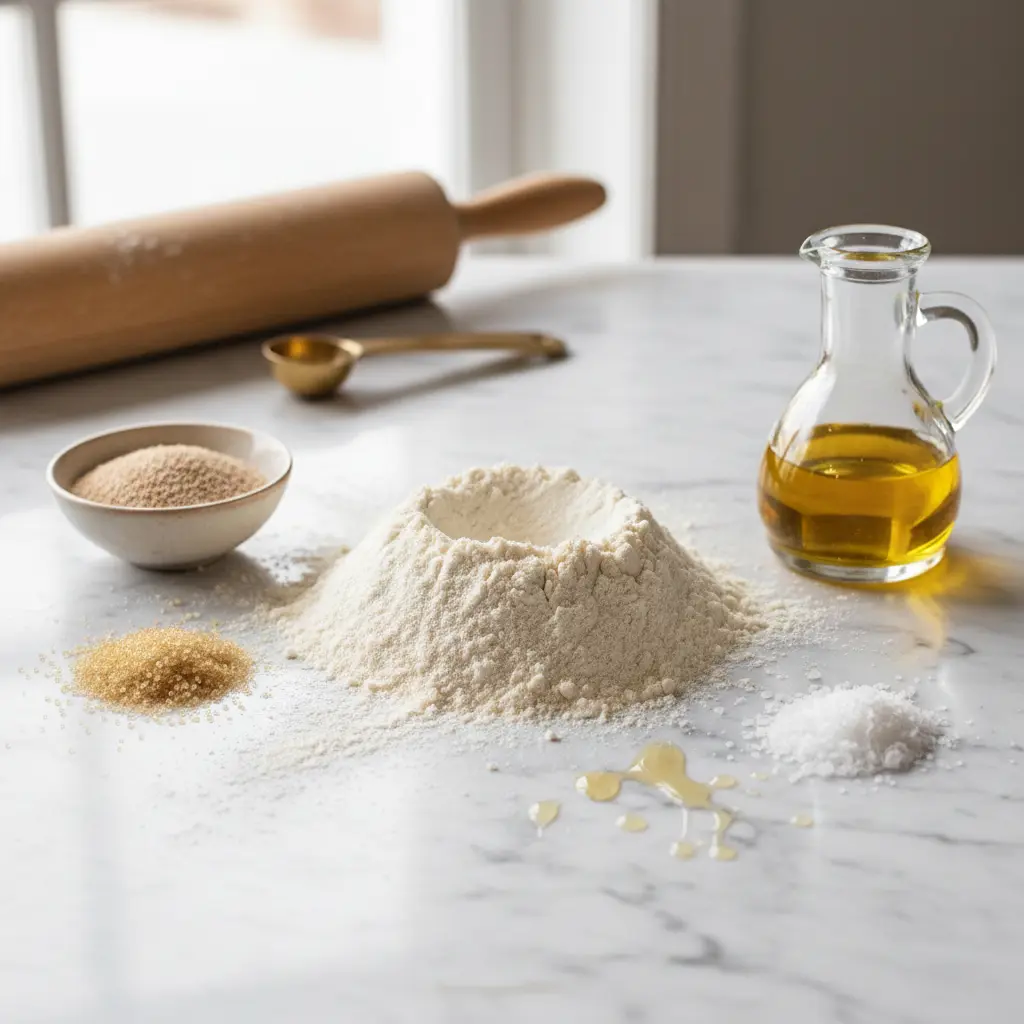
- 3 cups bread flour (or all-purpose flour as a substitute) — bread flour provides more gluten for a chewier, stretchier dough
- 1 tsp instant dry yeast — instant yeast works faster and doesn’t require proofing in water first
- 1 tbsp sugar — feeds the yeast and adds the faint sweetness characteristic of Domino’s crust
- 1 tsp salt — balances flavor and strengthens gluten structure
- 2 tbsp soybean or vegetable oil — adds tenderness and mimics the oil Domino’s uses in their commercial dough
- 1 cup warm water (around 80°F / 27°C) — temperature matters; too hot kills the yeast, too cold slows the rise
- Optional: 3 tbsp dry milk powder — adds richness and helps achieve a slightly golden crust
- Optional: ¼ tsp baking powder — a small addition that gives the crust a slightly lighter texture
Substitution tip: If you don’t have bread flour, all-purpose flour works well. The crust will be slightly less chewy but still very delicious. For a crispier base, use 00 flour — a technique highlighted in Joshua Weissman’s Domino’s-style pizza recipe, which also explores two different crust methods for home bakers.
Equipment for Domino’s Dough
You don’t need a commercial pizza oven to pull off this recipe, but a few key pieces of equipment will make a real difference:
- Stand mixer with a dough hook — the easiest way to develop the gluten properly; knead on medium speed for 8–10 minutes
- Pizza stone or sheet pan — a preheated pizza stone gives you a crispier bottom crust similar to a commercial oven; a sheet pan works great for pan-style pizza
- Plastic wrap or damp towel — for covering the dough during proofing to prevent it from drying out
- Rolling pin or your hands — Domino’s hand-tossed style is best stretched by hand to preserve air pockets
- Pizza cutter — for clean, even slices once baked
How to Make Domino’s Dough Recipe
Follow these steps carefully and you’ll have a batch of copycat Domino’s dough that rivals the real thing in both texture and flavor.
Step 1: Combine the Dry Ingredients
In the bowl of your stand mixer (or a large mixing bowl if kneading by hand), whisk together the bread flour, instant yeast, sugar, salt, and dry milk powder if using. Make sure the salt and yeast are on opposite sides of the bowl before mixing — salt can slow yeast activity if they come into direct contact before the liquids are added.
Step 2: Add the Liquids
Pour in the warm water and oil. Mix on low speed until the ingredients begin to come together into a shaggy dough, about 2 minutes. Then increase to medium speed and knead for 8–10 minutes, until the dough is smooth, elastic, and slightly tacky but not sticky. It should pass the windowpane test — meaning a small piece can be stretched thin without tearing.
Step 3: First Rise
Shape the dough into a ball and place it in a lightly oiled bowl. Cover tightly with plastic wrap or a damp towel. Let it rise at room temperature for 1–2 hours, or until doubled in size. For a more developed flavor — and closer to what Domino’s achieves commercially — refrigerate the dough overnight and allow it to cold-ferment for up to 24 hours. This longer rest noticeably improves both flavor and texture, a technique well-documented in Alyona’s Cooking’s Domino’s copycat recipe, which uses a room-temperature rise followed by shaping.
Step 4: Divide and Shape
Once risen, punch the dough down gently and divide it into two equal portions. Shape each portion into a smooth ball and let them rest, covered, for 15–20 minutes. This rest period relaxes the gluten and makes the dough much easier to stretch without it springing back.
Step 5: Stretch and Top
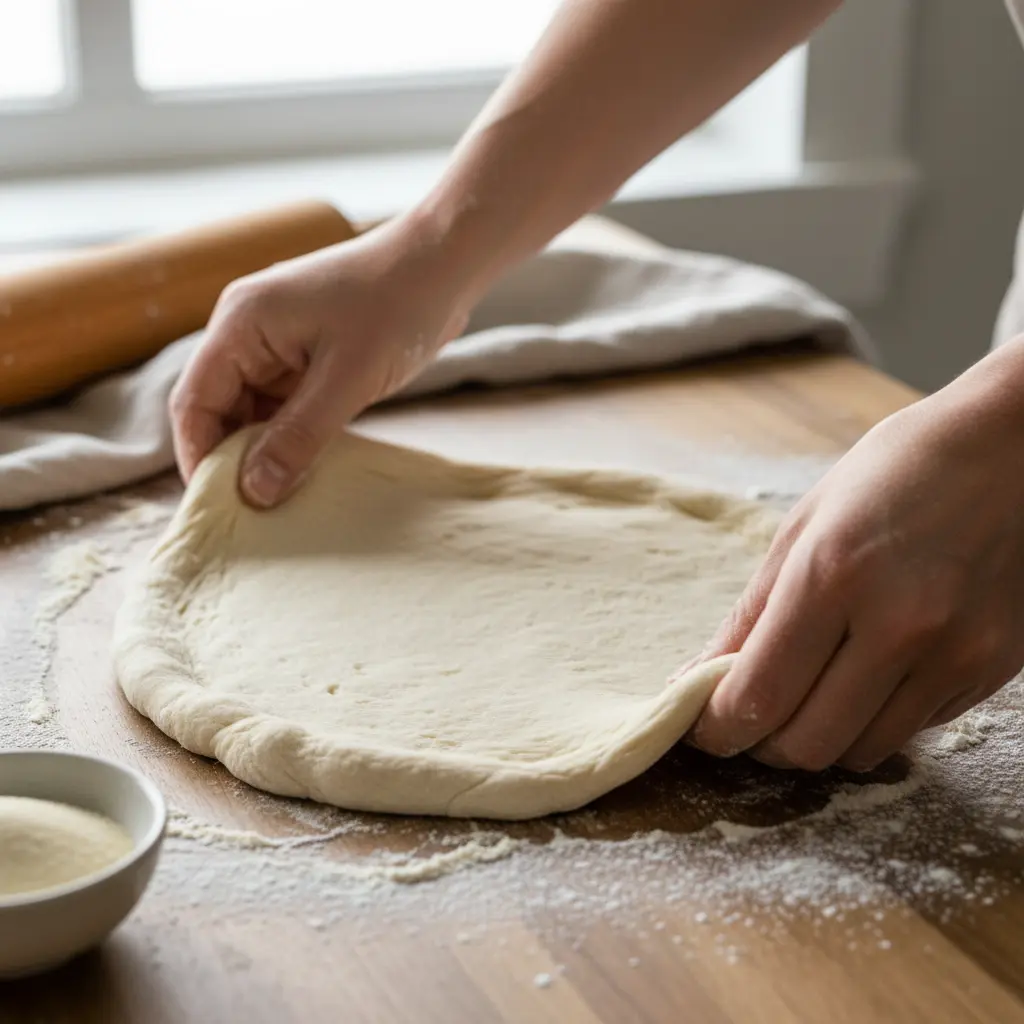
Working on a lightly floured surface, stretch each dough ball by hand into a round approximately 12 inches in diameter. For hand-tossed style, aim for an even thickness with a slightly thicker edge. For pan style, press the dough into an oiled baking sheet and let it rest for another 20 minutes before topping. Add your sauce, cheese, and favorite toppings.
Step 6: Bake
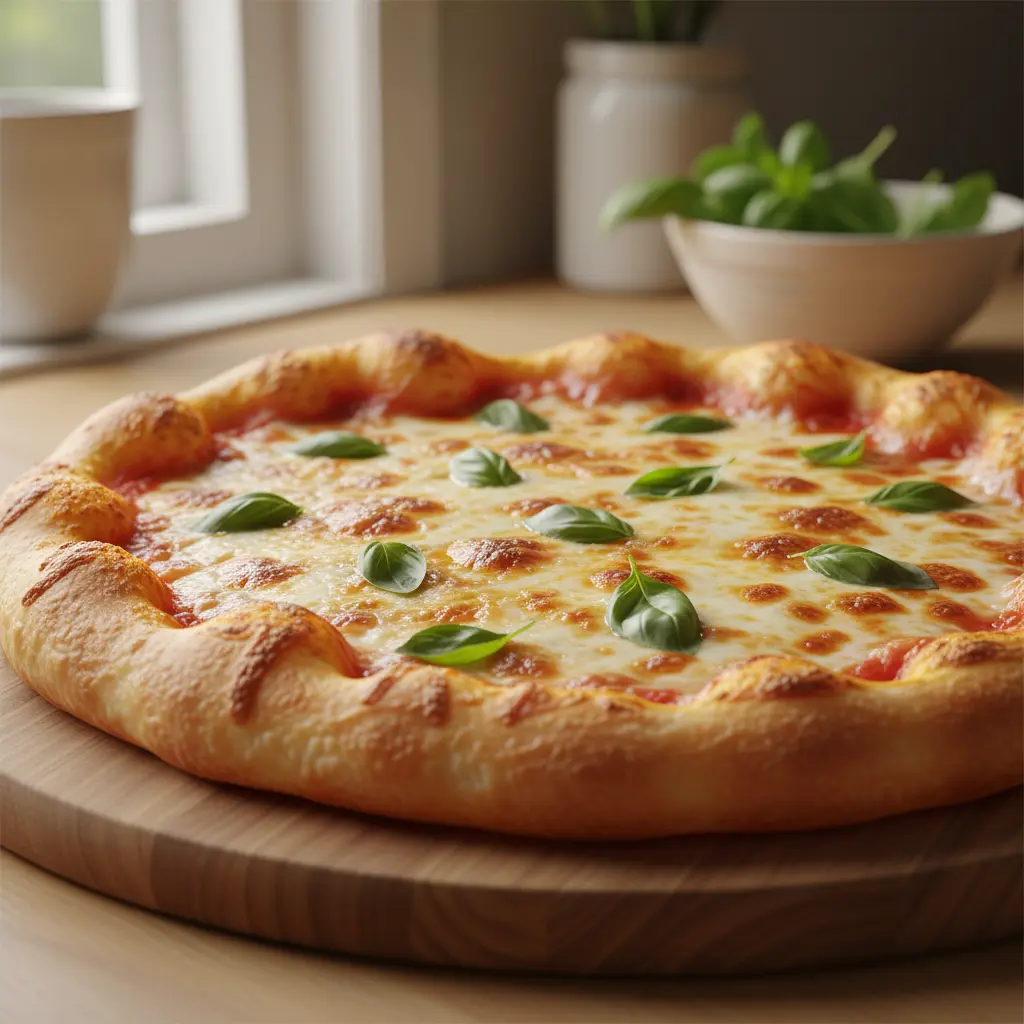
Preheat your oven to its highest setting — typically 475–500°F (245–260°C). If using a pizza stone, preheat it in the oven for at least 30 minutes before baking. Bake the pizza for 10–14 minutes, until the crust is golden and the cheese is bubbly and slightly browned. For pan pizza, bake at 425°F (220°C) for 15–18 minutes.
Domino’s Dough Recipe Tips
Getting this copycat Domino’s dough right comes down to a few key details that are easy to overlook. Keep these practical tips in mind for the best results:
- Water temperature is critical. Too hot (above 110°F / 43°C) and you’ll kill the yeast. Too cold and the dough won’t rise properly. Aim for 80°F (27°C) — slightly warmer than room temperature but comfortably cool to touch.
- Don’t rush the rise. A slower, longer rise — especially cold fermentation overnight — develops a more complex flavor and a better gluten structure, making the dough easier to stretch and more flavorful once baked.
- Use bread flour when possible. The higher protein content in bread flour creates more gluten, resulting in that characteristic chewy texture. All-purpose flour works as a substitute but produces a softer, less chewy crust.
- Rest before stretching. Always let the divided dough balls rest for at least 15 minutes before shaping. Attempting to stretch cold or unrested dough leads to tearing and uneven thickness.
- Preheat your oven fully. A screaming hot oven is what gives you that crisp bottom and slightly charred edge. Don’t be tempted to skip the 30-minute preheat, especially if using a pizza stone.
For additional detail on flour choices and proofing methods in copycat pizza dough, Food.com’s Domino’s Pizza Dough Recipe offers a reliable reference with user-tested results and helpful community notes.
Domino’s Dough Variations
Once you’ve mastered the base Domino’s dough recipe, there are several easy ways to customize it:
- Pan Pizza Dough: Increase the oil to 3 tablespoons and press the dough into a well-oiled 9×13 baking dish. Let it proof a second time in the pan for 30 minutes before topping. The result is thick, airy, and incredibly crispy on the bottom — just like Domino’s pan crust.
- Thin Crust Version: Use slightly less water (reduce by 2–3 tablespoons) and roll the dough thinner before baking. Skip the second rest period and bake at the highest oven temperature for a cracker-like crust.
- Garlic Herb Crust: After shaping, brush the outer crust edge with garlic butter and sprinkle with Italian seasoning or dried oregano before baking. This mimics Domino’s signature garlic-flavored crust option.
- Whole Wheat Blend: Swap up to 30% of the bread flour for whole wheat flour for a nuttier, slightly denser crust with more nutritional value.
- Gluten-Free Adaptation: Use a 1:1 gluten-free flour blend. The texture will differ — the dough will be stickier and won’t stretch the same way — but the flavor profile can still be achieved with the right seasoning.
How to Store Domino’s Dough
One of the best things about this copycat Domino’s dough recipe is how well it stores, making it a great make-ahead option for busy weeknights. After the first rise, punch the dough down, divide it into portions, and wrap each ball tightly in plastic wrap. Store in the refrigerator for up to 3 days — the cold fermentation actually improves the flavor further, so day-two or day-three dough is often even better than freshly made. For longer storage, place the wrapped dough balls in a zip-lock freezer bag and freeze for up to 3 months. To use, thaw overnight in the refrigerator and then allow the dough to come to room temperature for 30–45 minutes before stretching. Reheat leftover baked pizza in a skillet over medium heat for 2–3 minutes to restore the crispy bottom crust.
Domino’s Dough Recipe FAQ
What flour does Domino’s use in their dough?
Domino’s uses a proprietary blend, but it is primarily based on enriched wheat flour, which is closest to bread flour or all-purpose flour at home. Bread flour is the best substitute for home bakers because its higher protein content (around 12–14%) produces the chewy, elastic texture that defines Domino’s hand-tossed crust. Some copycat recipes also add a small amount of 00 flour for extra smoothness.
Can I make this Domino’s dough recipe without a stand mixer?
Absolutely. You can knead the dough entirely by hand on a lightly floured surface. It will take approximately 10–12 minutes of firm, consistent kneading to develop the gluten properly. The dough is ready when it feels smooth, springs back when poked, and passes the windowpane test. It’s a bit of a workout, but the result is just as good.
Why does my homemade pizza dough shrink back when I try to stretch it?
This is a very common issue, and it usually means the gluten is too tight. The fix is simple: let the dough rest for an additional 10–15 minutes at room temperature, loosely covered. This relaxes the gluten strands, making the dough far more cooperative. Never try to force-stretch dough that keeps springing back — patience is the answer.
Can I cold-ferment this Domino’s dough overnight?
Yes, and it’s actually recommended. Cold fermentation slows the yeast activity, allowing the dough to develop a deeper, more complex flavor over 12–24 hours in the refrigerator. Simply mix the dough, do a brief 30-minute room-temperature rest, then refrigerate overnight. Take it out 45–60 minutes before you’re ready to use it so it can warm up and become pliable again.
How do I get the bottom of the crust crispy like Domino’s?
There are three key techniques: use a preheated pizza stone or cast iron pan, bake at the highest oven temperature available (475–500°F), and don’t overload the pizza with too many wet toppings. For pan pizza, generously oil the pan before pressing in the dough — the oil essentially fries the bottom of the crust as it bakes, creating that signature crispy underside.
How much dough do I need per pizza?
For a 12-inch pizza, aim for approximately 250–300 grams (roughly 9–10 oz) of dough. This recipe yields enough for two 12-inch pizzas. If you prefer a thicker crust, use more dough per pizza and stretch it less, or let it proof in the pan before topping.
Explore More Recipes
If you love this copycat Domino’s dough recipe, you’ll definitely enjoy these other crowd-pleasing recipes from the kitchen:
- Classic Italian Spaghetti Sauce — the perfect homemade marinara to use as your pizza sauce base
- Garlic Parmesan Sauce — a rich, creamy alternative to tomato sauce for white pizza lovers
- Chipotle Steak Recipe — bold, smoky steak that makes an incredible pizza topping